

Custom Business Cards: The Complete Guide to Cards Clients Actually Keep
Posted by Octo Prints Team on 5th Nov 2026
TL;DR
Custom business cards are 3.5 inch by 2 inch cards printed from your own logo and design file, not a stock template, on heavy 16pt stock with your choice of coating. The ones worth ordering do three things at once: they look professional the moment a client picks one up, they print your brand colors from the file you uploaded, and they ship fast. This guide covers size, design, color, finish, turnaround, quantity, and what drives the price, so you order right the first time.
Key Takeaways
- The US standard business card size is 3.5 inch by 2 inch, and staying standard means your card fits every wallet and holder your client already owns.
- Custom means the design is yours. Upload a finished file (PNG, JPG, PDF, SVG, AI, and EPS, including exports from Canva, Illustrator, and Photoshop) or lay out your card in our online design studio, then check the live preview before you order.
- Color accuracy is the difference between a card that matches your brand and one that comes back washed out. Start from a high-resolution file and your brand guide's color values.
- Finish is a feel decision as much as a look decision. No coating keeps a clean, low-shine surface, gloss makes color pop.
- Turnaround should be stated up front. Most of our orders ship within 24 to 48 business hours.
- Order what you will hand out before your info changes, in sets of 72 cards, so you never store a stack with the wrong phone number.
What makes a business card custom instead of templated?
A custom business card starts from your design, not a menu of layouts. You upload your own logo, colors, and layout, and the card comes back as the thing you built. A templated card starts from a library of pre-made designs where you swap in your name, and the result tends to look like what it is: a template thousands of other businesses also used.
The practical difference shows up in a client's hand. If you already paid a designer for a logo, a template flow forces that brand into a box it was never designed for. Custom printing does the opposite: you send the file, the shop prints the file. That is the logo-first approach. You already have a brand, even a scrappy one, and your card should look like your business, not a wizard's default.
This matters most for operators who hand cards over in person all day. A contractor working supply houses, a realtor restocking before an open house, a maker prepping for a market: their card is often the last thing a prospect sees before deciding whether to call, and a custom card says the business is real. For the full menu of print products that carry the same brand across your signage, our Marketing Materials collection puts cards alongside car magnets and flyers, and the Print category covers banners, decals, and more.
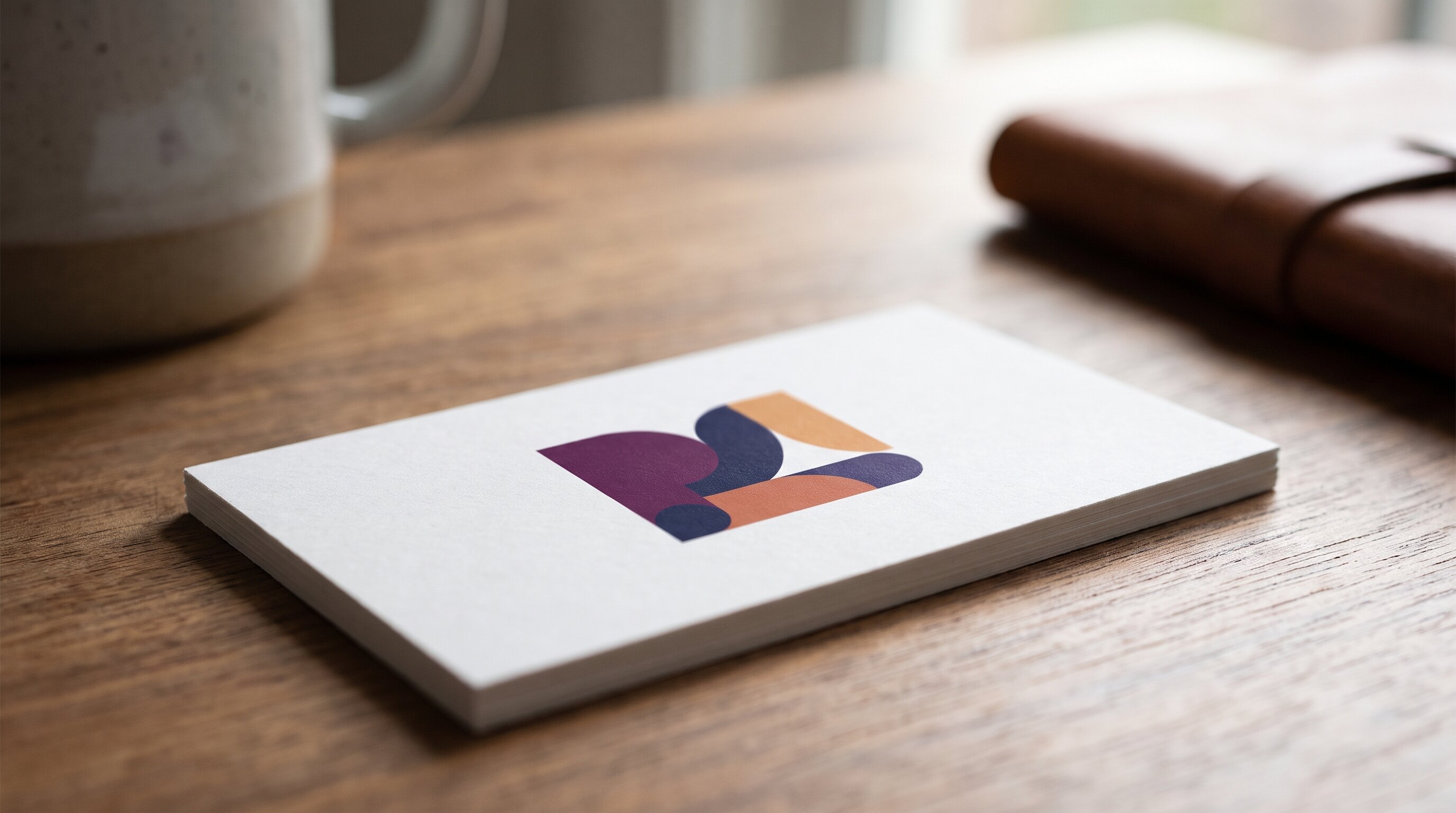
What size are standard business cards, and why does 3.5 inch by 2 inch matter?
The standard US business card size is 3.5 inch by 2 inch, and that number is not arbitrary. It is the size every card wallet, pocket slot, badge holder, and acrylic desk holder is built around, so your card slides into the holder on a contractor's dashboard, a realtor's blazer pocket, and the bowl at a networking event without sticking out or getting bent.
Go off-standard and you introduce friction nobody asked for. An oversized card does not fit a wallet, so it gets set down and forgotten. An undersized card gets lost in a stack. The 3.5 inch by 2 inch format is the quiet default that keeps your card in circulation, which is exactly where a card needs to be to earn you a callback. Start with the standard, then put your energy into the design and the finish, which is where a card actually stands out.
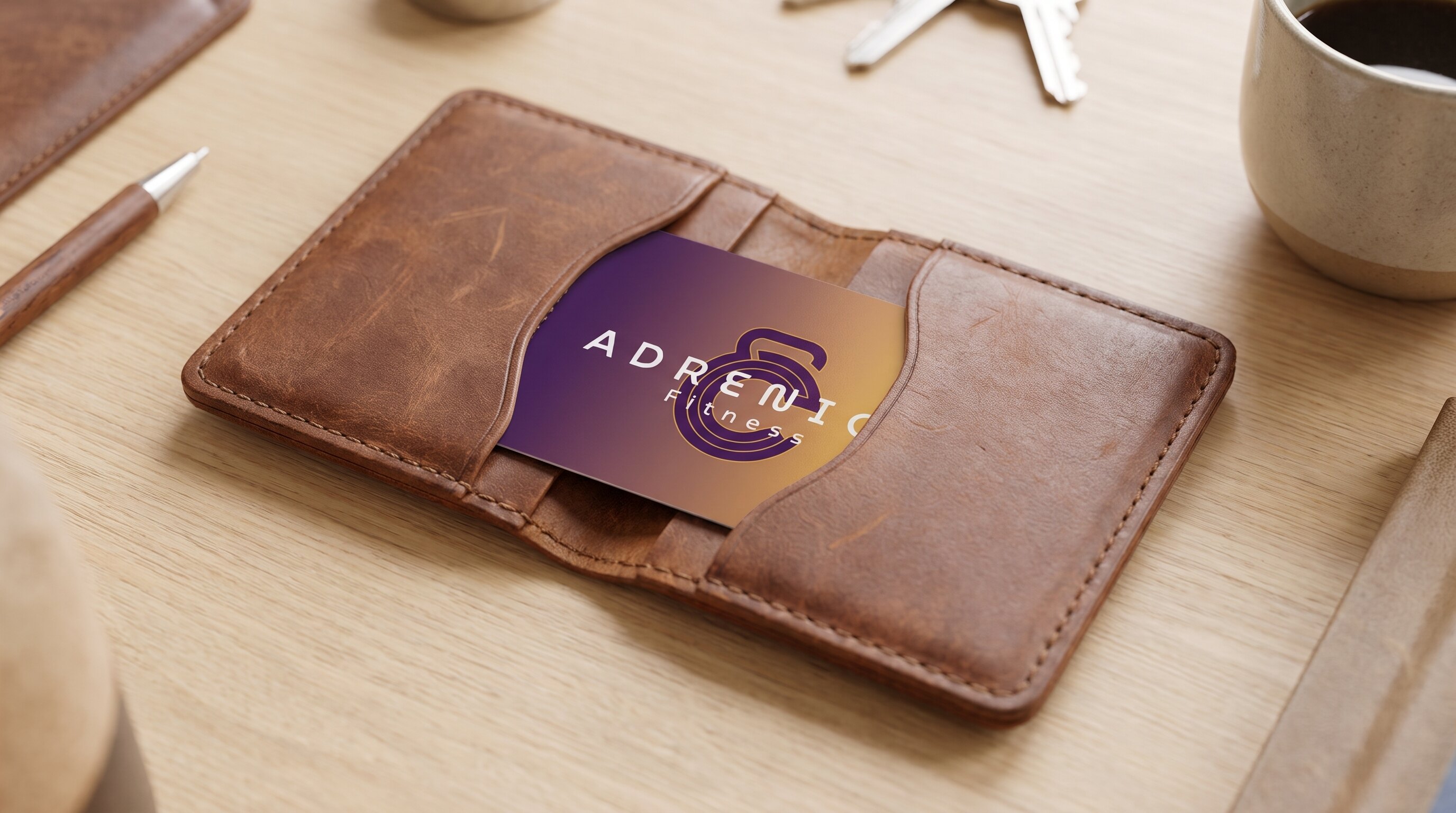
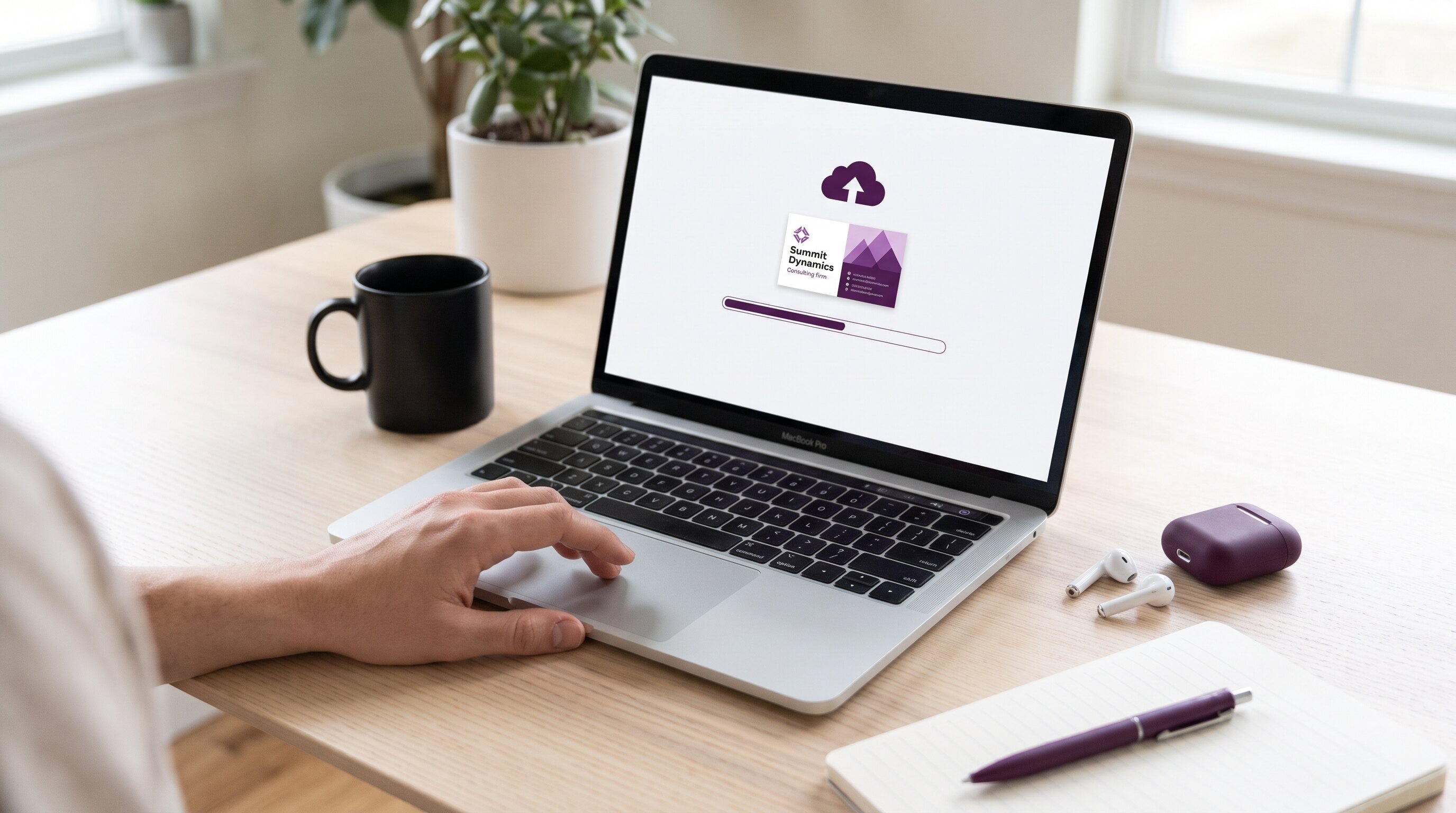
Can I upload my own logo and design file instead of using a template?
Yes, and for anyone who already owns a design, uploading is the faster path. Our design studio accepts PNG, JPG, PDF, SVG, AI, and EPS files, which covers exports from the tools people actually design in: Canva, Adobe Illustrator, and Photoshop. If your card already lives in one of those files, you are a few clicks from checkout. If you are starting from just a logo, you can place it and add your details right in the studio.
This is the gap that trips up serious operators. The template-first sites push you into a library of stock layouts, which feels like a hobby tool when you already have a logo file on your desktop. Full-color printing on both sides means your logo and colors on the front and your services, hours, or QR code on the back, with no template restrictions, no watermarks, and no forced software.
A few file basics keep the upload clean. Export at high resolution, keep critical text away from the very edge so nothing gets trimmed, and save as a flattened PDF or PNG when you can. If your file is ready, the whole job is upload, check the preview, order. The same tools you would use for a flyer work for a card, so your print materials can share one consistent look.
Will the printed colors match my brand?
Color accuracy is the thing most people get burned on, so ask about it directly. A good print starts from your actual artwork, so the teal in your brokerage logo, the orange on your truck wrap, or the warm ink tone of a hand-drawn maker's mark comes back the way it looks on your screen.
The classic failure is a card that arrives noticeably darker or more washed out than it looked on screen. When that happens, your printed card no longer matches the rest of your brand, and the mismatch is exactly what a design-conscious client notices. Color drift between reorders is the same problem stretched over time: the first batch looks right, the reorder six months later looks slightly off, and now your cards do not match each other. To give any printer the best shot, upload the highest-quality version of your file, use the color values from your brand guide, and check the preview before you approve. The payoff is simple: the card in your hand matches the logo on your website and the sign on your vehicle, every time.
Gloss or no coating: which finish should I choose?
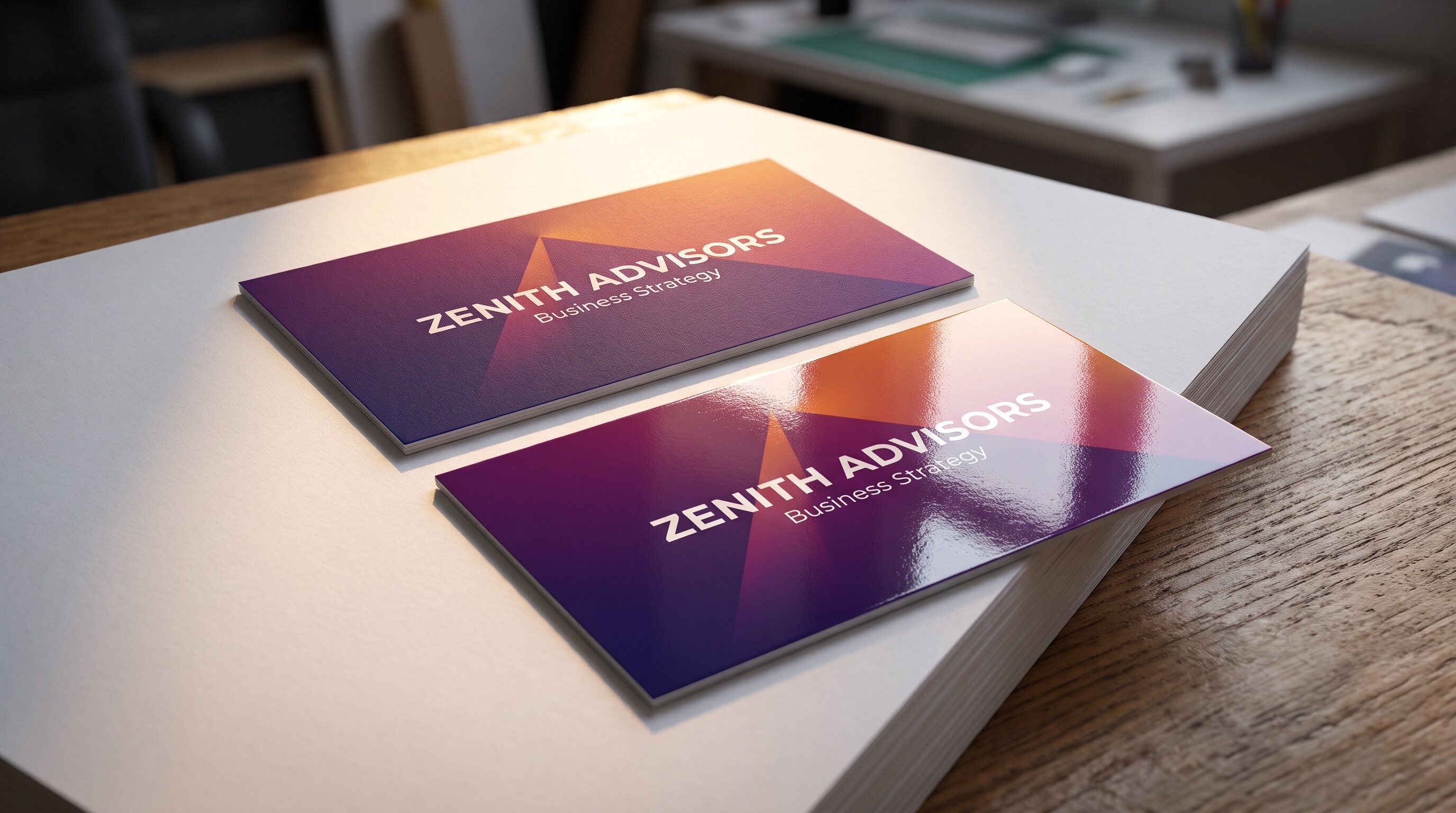
Finish is both a look and a feel decision, and two surfaces cover most needs. No coating leaves a clean, low-shine surface that resists glare and keeps the focus on your information. Gloss is a shiny laminate that makes color pop and gives bright logos extra punch, with a slick surface that catches the light. Single sided cards come with no coating or gloss. Double sided cards come with no coating, gloss on the front only, or gloss on both sides.
Choose based on how your card gets handled and what you want it to say. A contractor or consultant who wants a card that feels serious through a day of handling tends to prefer no coating. A photographer, maker, or anyone leading with vivid imagery often leans gloss so the colors come forward. Neither is more correct, they just set a different tone. Gloss on the front only is a good middle ground for a double sided card, with a shiny front and a plain back. If you are unsure, no coating is the safer default for a professional services business because it keeps the focus on your information rather than the shine.
How much do custom business cards cost, and what affects the price?
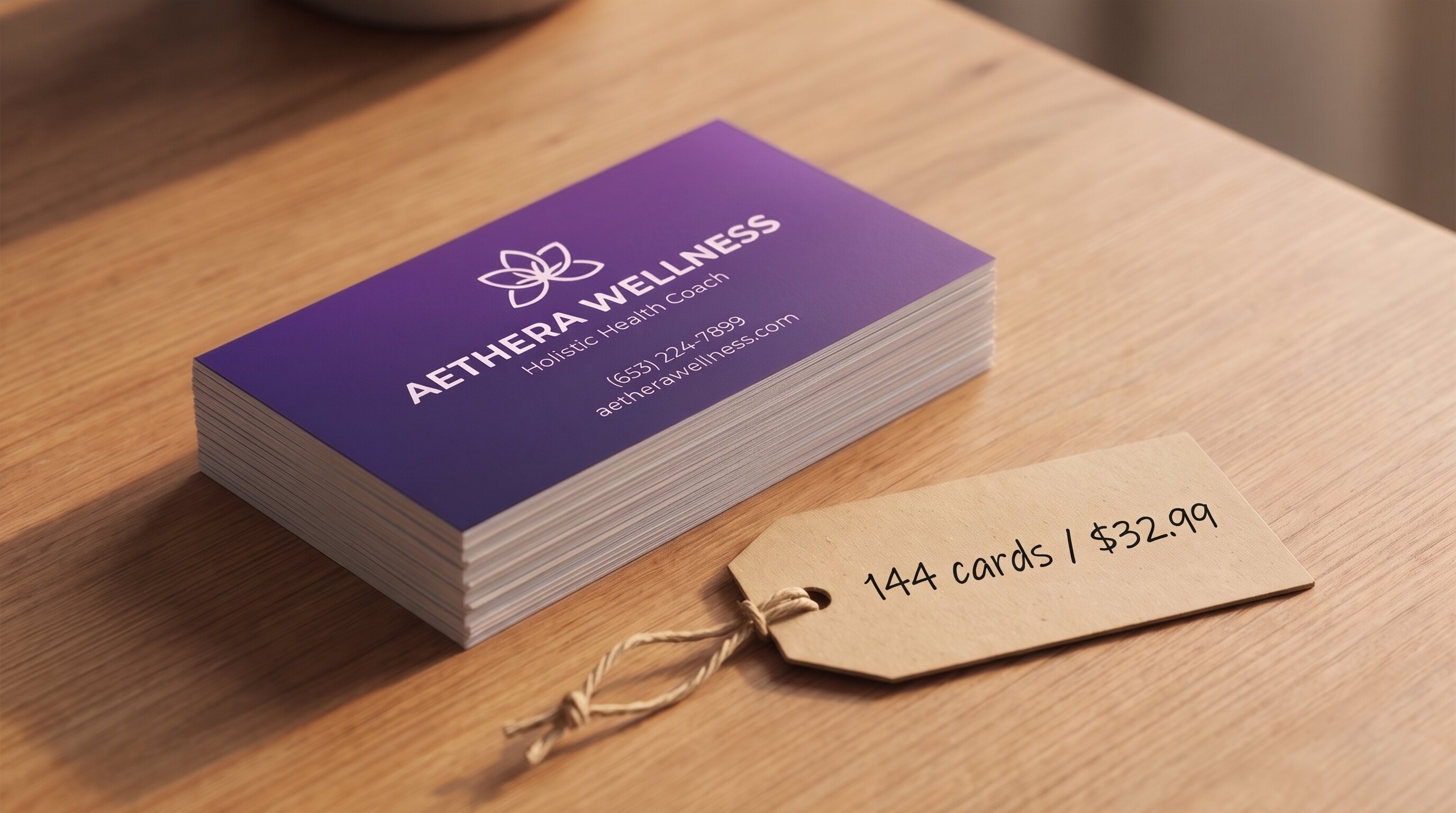
The price depends on a handful of choices, and a good print shop shows the total before you hand over a card number. The biggest cost driver is quantity: order more cards and the per-card cost drops, because most of a print run's cost is in setup, not paper. Our cards start at $19.99 for 72 on heavy 16pt stock, and the price table on the custom business cards page lists every quantity up to 2,016 cards.
What should not affect the price is a maze of upsells added after you reach the cart. The loudest complaint about the big template sites is the checkout gauntlet: quantity bumps, finish add-ons, and shipping costs that only appear on the final screen. Upfront pricing fixes that: you see the price before you give payment information. Decide your quantity first, pick the print sides and coating that match how you hand cards over, and let the upfront price tell you the total before you commit.
How fast can I get business cards printed and shipped?
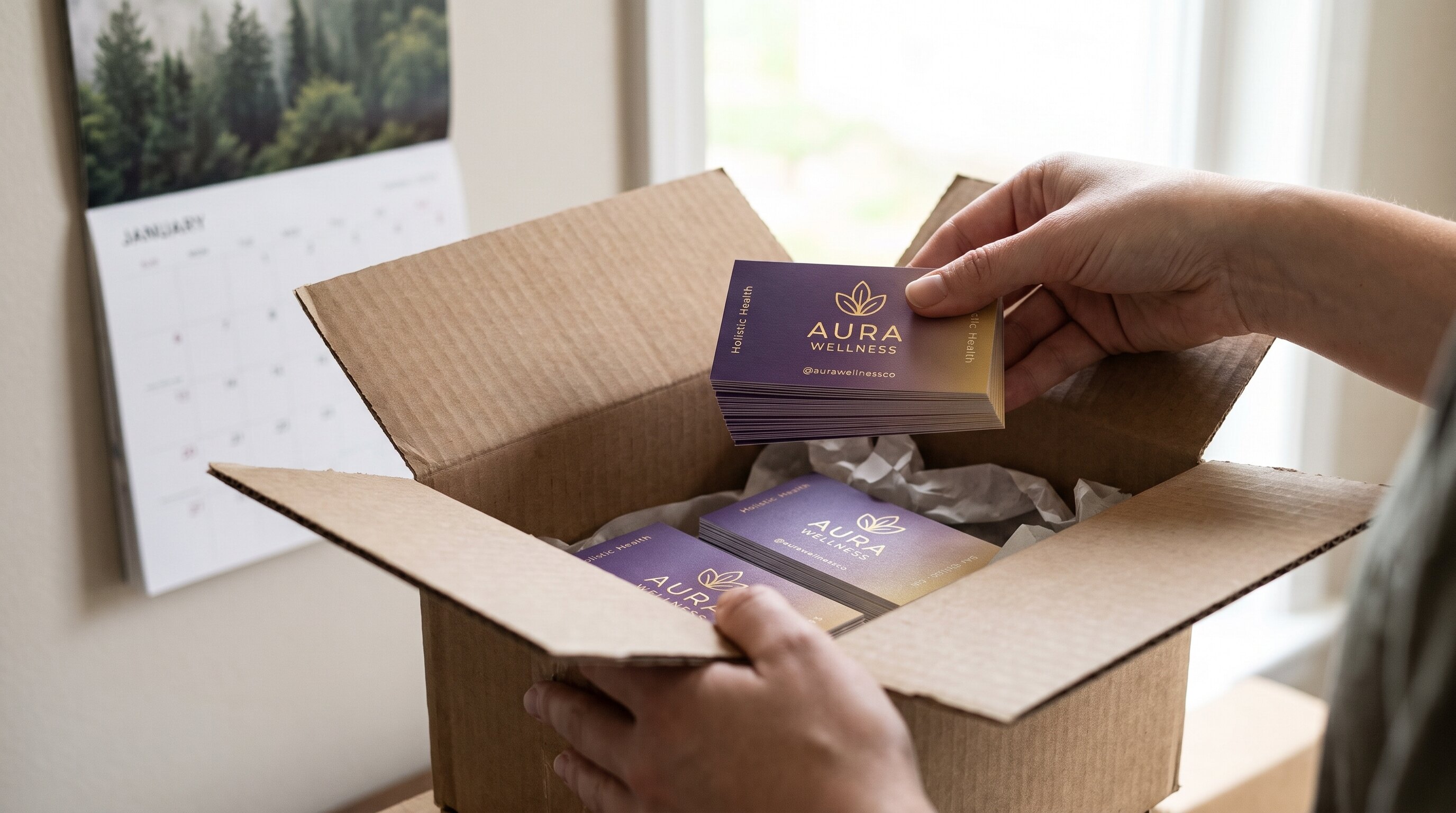
Speed comes down to production time plus shipping. Most of our orders ship within 24 to 48 business hours, so you can plan around an open house on Saturday or a trade show on Thursday. If the turnaround is hidden behind a shipping upgrade you only find at checkout, you are the one carrying the risk.
The reason to care is timing pressure, which is almost always what sends someone looking for cards: a listing goes live this weekend, a networking event is three days out, or the last card in the box got handed out and the next job starts tomorrow. In every case the question is not just how nice the card is, it is whether it lands in time.
Order a few days ahead of the date you need the cards in hand, and allow for transit time to your zip code, so you are not refreshing a tracking page and hoping. If you are prepping for an in-person event, pairing cards with a branded canopy tent or a fitted table cover keeps your whole booth on brand.
How many business cards should I order?
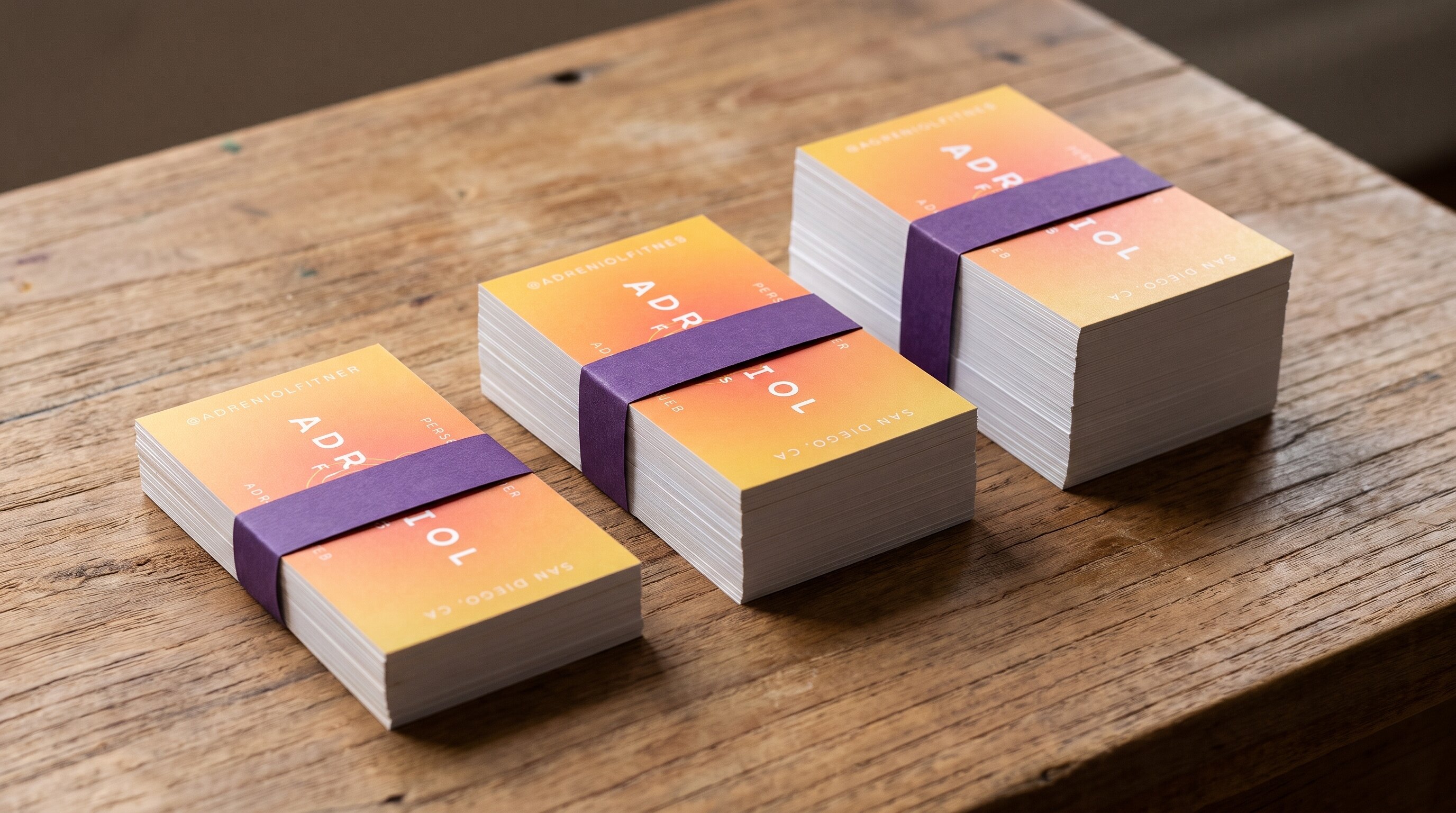
Order the number you will actually hand out before your information changes, not the biggest bulk minimum you can find. Our cards are sold in sets of 72, so you can add sets until you have enough for a quarter of networking, job sites, showings, or markets without leaving you with a drawer full of cards that now have the wrong phone number.
The trap on the other end is the wholesale minimum. Ordering 2,000 cards feels economical per card right up until you change your number, rebrand, move your office, or update a job title, and suddenly most of that stack is scrap. Quantity options scaled for a reorder cycle let you keep your printed information current, which matters more than squeezing the lowest possible unit price on a batch you will outgrow. A simple rule of thumb: estimate how many cards you hand out in a typical month, multiply by three, and order that, rounded up to the next set of 72, then step up the quantity on the next run once the design is locked in.
How do I design and order custom business cards online?
Ordering online is straightforward when you already have a design, and manageable even when you are starting fresh. Here is the flow from file to doorstep.
- Finalize your design at the standard 3.5 inch by 2 inch size, with your logo, name, title, phone, and any back-side details like services or a QR code. Keep important text away from the trim edge.
- Upload your file in our design studio. PNG, JPG, PDF, SVG, AI, and EPS are accepted, so exports from Canva, Illustrator, or Photoshop work without rebuilding anything. Starting from a logo? Add your details in the studio.
- Choose your print sides and coating. Decide between single or double sided, then gloss or no coating, based on how you hand cards over and what suits your brand.
- Pick your quantity, using the hand-them-out-in-a-quarter rule to avoid over-ordering.
- Review the upfront price before you reach the cart, so there are no surprises on the final screen.
- Check the live preview, which shows exactly what prints, and place the order.
The whole process is built to take minutes, not an evening: upload, preview, order, and get back to the actual business.
What are the best business cards for contractors, realtors, and other trades?
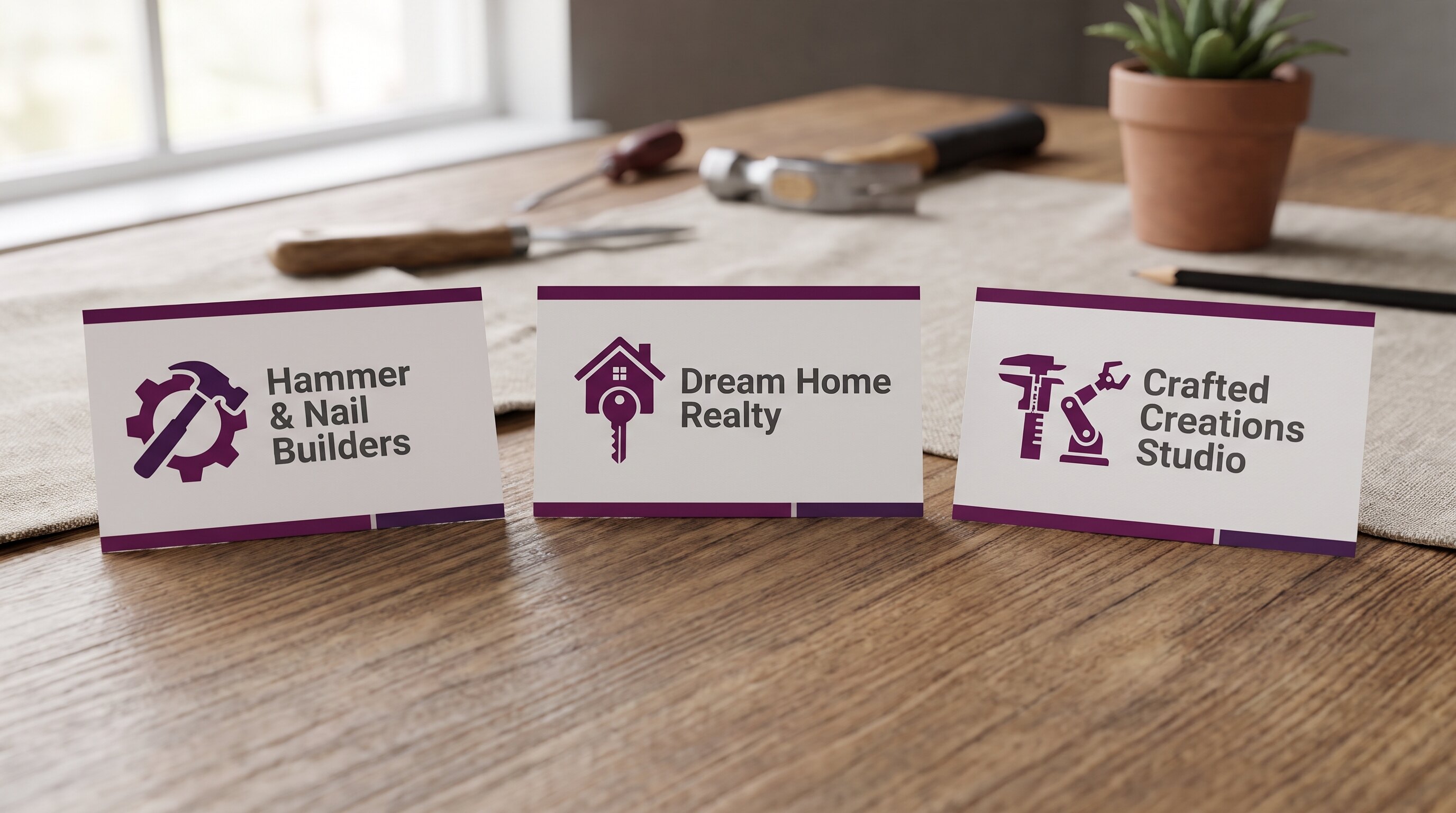
The best card for your trade is built around how you actually use it, and the needs differ across businesses. A contractor hands cards over at job sites and supply houses, so durability and a clear, readable number matter most: a heavy uncoated card that survives a work pocket wins the callback. A realtor needs color accuracy to match brokerage branding and a substantial feel that signals polish at a showing.
Makers and market sellers have their own angle. An Etsy or handmade seller stocking a booth wants cards that match a hand-built brand, print warm custom ink tones accurately, and ship fast before the next market, usually in a smaller, budget-aware quantity. A photographer needs the card to represent a carefully built visual identity, putting color accuracy and finish first. A second-act service owner wants no tech friction: pick a quantity, upload a file, pay, and move on.
The through line is one card platform doing different jobs: standard size, your own design, accurate color, a finish that fits the handoff, and a quantity sized to your reorder cycle. Cards also travel with the rest of your marketing: a realtor pairs them with yard signs at a listing, and a contractor pairs them with site signage like custom banners, so the logo on the card matches the logo on the truck.
Are cheap business cards worth it, or do you get what you pay for?
Cheap business cards are worth it only when cheap means affordable, not flimsy. There is a defensible version of a budget card: standard size, your own design, accurate color, and upfront pricing with no checkout surprises, at a working-small-business price. That is affordable done right, exactly what a reorder buyer wants.
The version that is not worth it is the one that feels cheap in the hand. A card so thin it bends when a property manager slips it into a shirt pocket, colors that drift away from your brand, or a surface that looks like a flyer: those save a few cents and cost you the impression the card was supposed to make. The whole job of a card is to get kept and called, and a card that gets bent in half and tossed fails the only test that matters. So read affordable as honest, not as low-effort. Look for upfront pricing, a stock with real weight, accurate color, and a stated turnaround, then pick the lowest price that still clears that bar.
Order custom business cards that get kept
Your logo deserves better than a template default. Cards from Octo Prints and Lighting are printed in the USA and come back the size you need, in the colors you uploaded, on a finish that fits how you hand them over, with the price in front of you before you commit. Most orders ship within 24 to 48 business hours.
Upload your file, pick your print sides and coating, and place the order in minutes. Start your order on the custom business cards page and hand over a card people actually keep.
Frequently Asked Questions
What is the standard business card size?
The standard US business card size is 3.5 inch by 2 inch. Staying at that size means your card fits every wallet, pocket slot, badge holder, and acrylic holder your client already owns, so it stays in circulation instead of getting bent or lost.
Can I use my own logo and design file?
Yes. You upload your own print-ready file, so there is no template to work around. Our design studio accepts PNG, JPG, PDF, SVG, AI, and EPS files, including exports from Canva, Illustrator, and Photoshop, so you can print the design you already own.
Should I choose gloss or no coating?
No coating keeps a clean, low-shine surface that suits professional services. Gloss is shiny and makes color and photos pop. Choose no coating for an understated feel and gloss when you want vivid color to come forward. Double sided cards can also be glossed on the front only.
How much do custom business cards cost?
The price depends mainly on quantity. Our cards start at $19.99 for 72 on 16pt stock, and ordering more cards lowers the per-card cost. The full price shows before you reach the cart, with no upsells sprung at checkout.
How many business cards should I order?
Order what you will hand out before your information changes. Cards are sold in sets of 72, so you can match your order to a quarter of handoffs. Avoid large wholesale minimums, since a change of number, title, or branding can turn a huge batch into scrap.
How fast can I get business cards printed and shipped?
Most of our orders ship within 24 to 48 business hours, plus transit time to your address. Order a few days ahead of an event so the cards arrive in time.